Preface: The Pursuit of Happiness
Aristotle’s Nicomachean Ethics was the first philosophical book I ever read. I began reading it while living in Japan thirty-eight years ago, often carrying the book with me on the train, underlining passages and writing notes in the margins. The book left a lasting impression on me and, more than two decades later, became the subject of my master’s thesis.
This book is an expanded and substantially revised version of that thesis. It has been reorganized, rewritten in contemporary language for the general reader, and includes new chapters that were not part of the original work. These additions present a more complete account of Aristotle’s ethics while remaining faithful to his view that excellence of character and activity in accordance with reason are central to human flourishing.
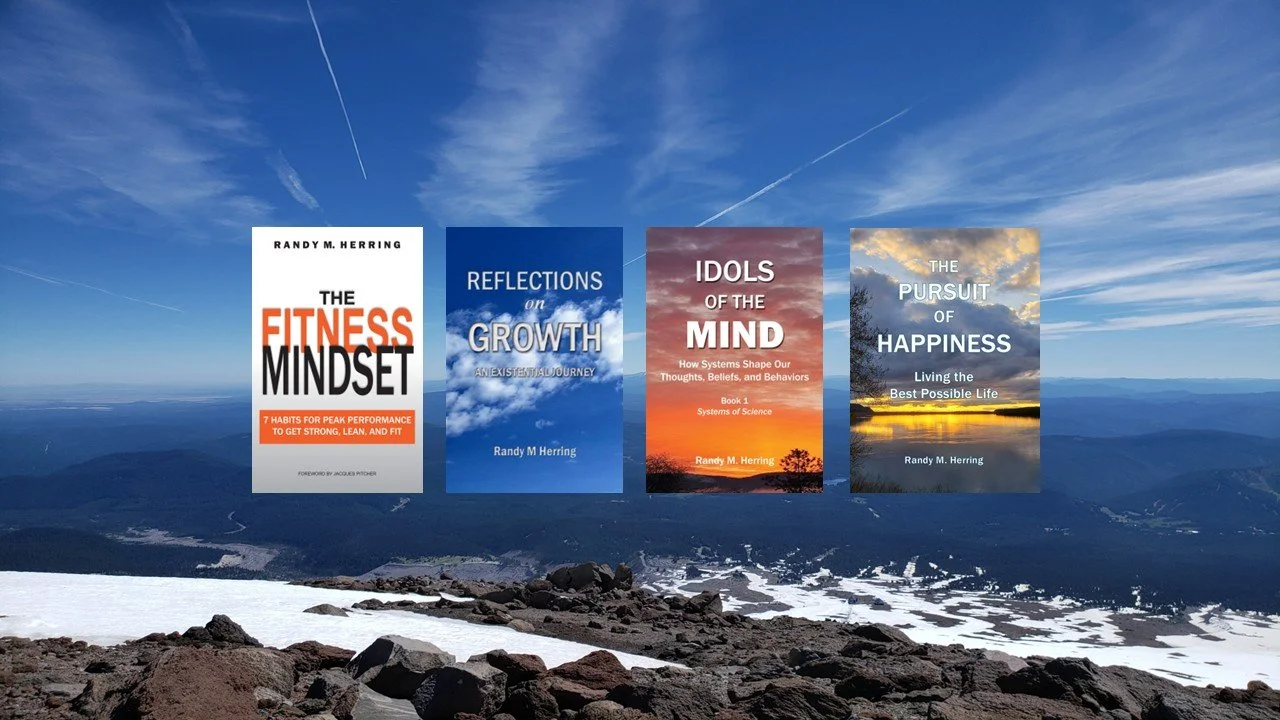
The title, The Pursuit of Happiness, and subtitle, Living the Best Possible Life, reflect the central theme that has guided my study of Aristotle for many years: what it means to live a meaningful, worthwhile, and fulfilling human life. According to Aristotle, happiness is not merely a feeling or a temporary experience of pleasure as most people understand it, but an enduring way of living that fulfills our distinctive human capacities over the course of a complete life. He defines happiness as complete and self-sufficient—complete in the sense that it is the highest human good, and self-sufficient in the sense that it contains everything necessary for human flourishing.
The Pursuit of Happiness captures the universal desire to seek a meaningful and worthwhile life. Living the Best Possible Life emphasizes that happiness is attainable through excellent action and the development and exercise of our highest human capacities for a flourishing life. In this book, I use “flourishing” to refer to happiness in the Aristotelian sense and use the terms interchangeably. Following Aristotle, human flourishing is happiness understood as living excellently and fulfilling the human function through the highest element in us—the intellect.
Yet Aristotle’s account of the good life involves more than a single form of activity. Ethical activity enables us to live well by developing excellent character, exercising good judgment, making noble choices, and acting well. Beyond this, Aristotle identifies contemplation as the highest and most complete human activity. In this sense, we live well through ethical activity, but we live the best possible life through contemplative activity, the highest expression of human excellence.
Throughout much of the Nicomachean Ethics, Aristotle emphasizes ethical excellence and activity in accordance with reason, yet near the end of the work he presents contemplation as the highest and most complete human activity. This apparent tension has led scholars to develop different interpretations of Aristotle’s account of happiness. The Introduction examines these two apparently conflicting conceptions of happiness more fully and explains the unified account of human flourishing developed in this book.
Copyright © 2026 by Randy M. Herring
ISBN 979-8-9950867-0-3